I Ask for a Cleaning Fairy but Get PNG: Crafts Graphics
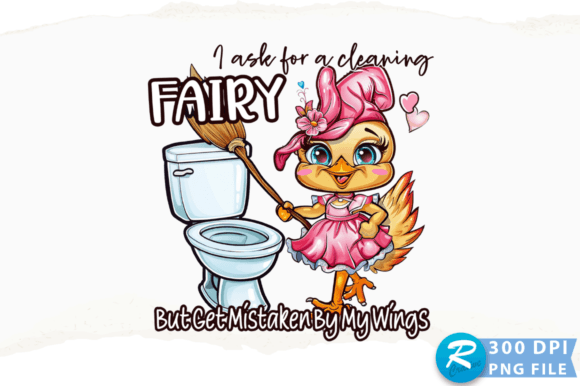
In the fast-paced world of digital publishing, where attention spans are fleeting and visual noise is constant, every pixel counts. As a blog designer who has spent years curating assets for high-traffic editorial sites, I approach new graphic design assets with a critical eye. It is not just about whether an image is "cute"; it is about whether it converts, communicates brand identity, and holds up under the scrutiny of a mobile user scrolling through a feed. Recently, I evaluated a whimsical piece titled I Ask for a Cleaning Fairy but Get PNG. While the product description hints at a humorous misunderstanding between expectation and reality, the actual file offers a surprisingly versatile tool for content creators in the lifestyle and home organization niches.
First Impressions and Editorial Mood
Upon opening the zip file, the first thing that strikes me is the clarity of the 300dpi PNG with its transparent background. In web design, transparency is non-negotiable for layering images over textured backgrounds or colored blocks without unsightly white boxes. The illustration itself carries a playful, slightly self-deprecating tone that resonates deeply with the modern "messy middle" of home life. It is not the sterile, perfect imagery often seen in corporate catalogs; rather, it feels authentic, feminine, and relatable.
This specific asset creates an immediate editorial mood that says, "We are trying our best, even if magic isn't happening." For bloggers and newsletter creators, this emotional connection is gold. It supports content that needs to look polished yet approachable. Whether you are running a cleaning blog, a parenting site, or a general lifestyle publication, this graphic bridges the gap between professional editorial design and the chaotic reality of your readers' lives. It signals that your brand understands the struggle, fostering instant reader trust.
Strategic Applications in Content Publishing
The true value of any digital download lies in its versatility. I immediately envisioned several high-impact use cases for this asset within a real publishing workflow. First and foremost, it is an ideal candidate for Pinterest pin graphics. Pinterest is a visual search engine where humor and relatability drive clicks. Placing this fairy graphic alongside a bold headline like "Why My House Isn't Clean Yet" could significantly improve click-through rates compared to generic stock photography.
Beyond social media, this asset shines in blog graphics and article headers. Imagine using it as a hero image for a post about time management struggles or the reality of maintaining a home while working remotely. Because the file is high-resolution, it can also be scaled down for category thumbnails on a website homepage, adding a touch of personality to navigation elements. For those creating digital guides or eBooks, this illustration could serve as a charming chapter divider or a decorative element in a printable checklist, enhancing the perceived value of the digital product.
Affiliate marketers will find particular use here. When promoting cleaning tools or organizational products, using a humorous graphic like this can soften the sales pitch. It makes the affiliate content feel less transactional and more like a shared joke between friends, which is crucial for maintaining audience loyalty in affiliate marketing campaigns.
Enhancing Visual Hierarchy and Brand Identity
Integrating unique illustrations into your content strategy does more than just decorate a page; it strengthens your brand identity. In a sea of identical Canva templates, custom-feeling assets help your site stand out. When I placed the "Cleaning Fairy" graphic next to various typography styles during my review, I noticed it paired exceptionally well with handwritten fonts, reinforcing the personal, human touch of the message. However, it also provided a nice contrast when paired with clean sans-serif fonts, creating a balanced visual hierarchy that guides the reader's eye naturally from the image to the headline.
Consistent use of such design assets across your website header, email newsletters, and social media previews creates a cohesive visual language. Readers begin to associate that specific style of illustration with your voice. This consistency builds recognition, making your content instantly identifiable in a crowded inbox or feed. It transforms a simple blog post into a branded experience, elevating the perceived quality of your content marketing efforts.
Where to Use It and Where to Exercise Caution
While this graphic is powerful, context is everything. It works best in environments that welcome personality and humor. It is perfect for hero images on lifestyle blogs, accents in downloadable resources, and visuals for community-driven social media posts. It thrives in spaces dedicated to small business branding that leans towards the creative and the personal.
However, caution is advised when deploying this asset in serious professional niches. If you are writing a technical manual, a corporate financial report, or content requiring a strictly minimal visual system, this playful fairy might undermine the gravity of the message. Additionally, be mindful of low-contrast backgrounds. Since the illustration likely contains soft colors or detailed lines, placing it against a busy pattern or a dark, saturated background could reduce readability. Always test the image on small mobile thumbnails; intricate details can sometimes get lost on smaller screens, so ensure the focal point remains clear even at reduced sizes.
Practical Notes for Publishers and Designers
Before integrating I Ask for a Cleaning Fairy but Get PNG into your live projects, there are several technical steps I recommend. First, always test the image on both desktop and mobile devices. What looks crisp on a large monitor might appear muddy on a smartphone screen. Check how the graphic interacts with your headline text; ensure there is enough negative space so the text remains legible.
File performance is another critical factor. Although the source file is 300dpi (perfect for print), web usage requires optimization. You must compress the image properly to ensure fast load times, as slow pages can hurt your SEO rankings and user experience. Convert the PNG to a web-optimized format if necessary, balancing quality with file size.
Finally, and perhaps most importantly, review the licensing terms. The product description mentions a commercial license context, but as a responsible publisher, you must confirm that the commercial license covers your specific use case, especially if you are using the image in monetized content, paid courses, or physical products for sale. Understanding the rights associated with your creative marketplace purchases protects your business from legal issues down the line.
In conclusion, this graphic is more than just a funny picture; it is a strategic tool for modern design in the content space. By leveraging its relatable humor and high-quality execution, publishers can create deeper connections with their audience, enhance their visual storytelling, and ultimately drive better engagement across all digital channels.