Review: Just a Girl Who Loves Dogs Shirt Design
As a designer who spends more time staring at stitch maps than actual fabric, I approach every new machine embroidery design with a mix of excitement and skepticism. We have all seen the trend of "dog mom" graphics flood the market, but finding one that translates well from a screen to a stitched finished product is a different challenge entirely. Recently, I got my hands on the Just a Girl Who Loves Dogs, Shirt Design to evaluate its potential for real-world application. This isn't just about whether it looks cute on a mockup; it is about whether it holds up under the needle, survives the wash, and sells in a crowded craft business.
First Impressions and Visual Personality
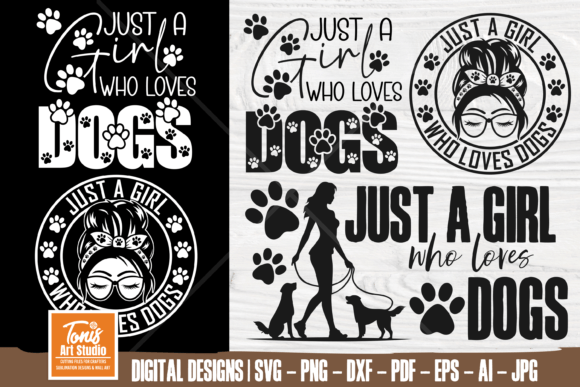
When I first loaded the file into my digitizing software to inspect the pathing, the immediate takeaway was its playful simplicity. The layout strikes a balance between whimsical and readable, which is crucial for apparel. Many designs in the Crafts and Graphics categories lean too heavily into complex details that get lost when scaled down, or they are so basic they look amateurish. This design, however, feels intentional. The typography likely pairs a hand-lettered aesthetic with clean lines, creating a mood that is friendly and approachable.
The visual personality suggests it belongs on casual wear. It screams "weekend vibes" rather than formal attire. For an Etsy seller or boutique owner, this is gold. It targets a specific demographic—women who identify strongly with their pets—without being overly niche. The spacing between elements appears generous enough to allow for proper stitch coverage without causing puckering, a common issue with dense text designs.
Real-World Application: The Tote Bag Test
To truly gauge the viability of this embroidery file, I envisioned a specific project: a custom canvas tote bag for a local farmer's market pop-up. Canvas is a textured, heavy fabric that can be unforgiving if the stitch count is too low or the density is off. In this scenario, the Just a Girl Who Loves Dogs, Shirt Design shines as a potential bestseller.
Imagine stitching this onto a natural cotton tote using earthy thread colors like olive green, slate blue, or terracotta. The design's likely use of fill stitch for any graphical elements (like paw prints or dog silhouettes) would provide excellent coverage against the weave of the canvas. If the design incorporates satin stitch for the lettering, the sheen would contrast beautifully with the matte fabric, adding a touch of premium feel to a simple handmade product. Customers at a craft fair are drawn to items that feel personal; seeing this design stitched out cleanly on a sturdy bag instantly elevates it from a generic print to a valued personalized gift.
Versatility Across Product Lines
Beyond tote bags, this design has legs for various custom apparel projects. It would work exceptionally well on sweatshirt embroidery, where the loft of the fleece provides a soft background for the stitches. For baby embroidery, such as a onesie or a bib, the design would need to be scaled down significantly. This is where a reviewer must be cautious. If the original file does not include multiple sized versions, scaling it down manually could result in tiny lettering becoming unreadable or running stitch details disappearing entirely.
For those running a small shop, versatility means profit. This graphic could easily transition to an embroidered patch applied to denim jackets or caps. However, curved surfaces like baseball caps require careful hooping and potentially a different stabilizer approach than flat garments. The design's layout seems centered and balanced, which is ideal for the front panel of a cap, provided the height fits within the standard cap frame limits.
Technical Considerations and Fabric Challenges
While the aesthetic is strong, practical execution requires attention to detail. When working with textured fabrics like towels or waffle knits, the stitch density becomes critical. If the design is too sparse, the fabric texture will show through the letters, breaking up the readability. Conversely, if the density is too high on stretchy fabrics like jersey knit t-shirts, the design might cause the garment to pucker or distort after washing.
Dark fabrics present another hurdle. If the design relies on fine outlines without substantial fill, it may get lost on black or navy backgrounds. In these cases, an underlay stitch is non-negotiable. As a professional, I always recommend testing the design on scrap fabric that matches your final product. Check the thread color contrast carefully; a dark brown thread on a black shirt might look sophisticated on screen but muddy in person.
Furthermore, consider the hoop size required. While the design looks compact, ensure your machine's hoop can accommodate the widest point, especially if you plan to add a monogram or date alongside the main graphic. For products that need frequent washing, like kitchen towels or aprons, verify that the tie-offs are secure and that there are no long jumps that could snag.
Enhancing Brand Value and Customer Trust
The quality of your embroidery directly impacts buyer engagement and brand consistency. A clean, crisp execution of the Just a Girl Who Loves Dogs, Shirt Design signals professionalism. It tells the customer that you care about the details. Sloppy stitching or poor tension can undermine even the cutest graphic. By delivering a high-quality finished product, you build trust, encouraging repeat business and positive reviews.
For digital product sellers, offering this as part of a bundle with matching printable mockup files can increase perceived value. Showing potential buyers how the design looks on various garments helps them visualize the end result, reducing hesitation and boosting sales.
Final Verdict and Designer Notes
In conclusion, the Just a Girl Who Loves Dogs, Shirt Design is a solid contender for both hobbyists and commercial embroiderers. Its strength lies in its relatable theme and adaptable layout. However, success depends on proper preparation. Before committing to a production run, test the design on both light and dark fabric backgrounds. Inspect small details closely to ensure no elements are too fine for your machine's capabilities.
Always confirm licensing terms before selling finished items or digital assets. If the product description does not explicitly state commercial rights, reach out to the creator. Additionally, check if the package includes multiple formats compatible with your specific machine. With the right stabilizer, appropriate thread choices, and a bit of test stitching, this design can become a staple in your inventory, perfect for holiday embroidery gifts, boutique branding, or everyday small shop product lines. It is a design that, when executed with care, brings joy to dog lovers and credibility to your craft.